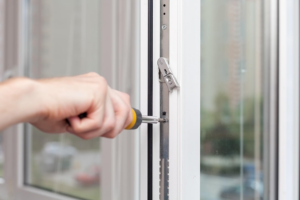
Why You Should Be Working With This Quick Lock Repair
The Importance and Essentials of Quick Lock Repair
Locks are an integral part of any security system, functioning as the first line of defense for homes, offices, and other valuable homes. Whether it's a jammed key, a broken system, or a lock that no longer operates appropriately, a malfunctioning lock can be more than simply an inconvenience— it can position a severe security threat. This short article explores the value of fast lock repair, the typical concerns dealt with, and the steps one can require to ensure their locks are always in leading condition. Furthermore, it supplies some frequently asked questions and vital suggestions for maintaining and fixing locks.
The Significance of Quick Lock Repair
Timely lock repair is crucial for several factors:
- Security: A damaged or faulty lock can leave your home susceptible to burglaries and theft. Quick repair ensures that your security measures are undamaged and reliable.
- Convenience: A malfunctioning lock can trigger significant delays and disappointment, particularly when you require to get in or leave your residential or commercial property rapidly. Immediate repair assists preserve the smooth operation of your everyday routine.
- Prevent Further Damage: Ignoring a small issue can lead to more extensive and expensive repairs down the line. Attending to issues immediately can save you money and time.
- Peace of Mind: Knowing that your locks are operating properly can decrease stress and anxiety and offer a complacency and convenience.
Common Lock Issues and Quick Fixes
Locks can stop working for various factors, however some concerns are more common than others. Here are some common issues and fast solutions:
1. Sticking or Jammed Locks
- Cause: Dirt, particles, or absence of lubrication.
- Option: Clean the keyhole with a brush or compressed air. Use a lube such as graphite powder or silicone spray to the lock mechanism.
2. Broken Keys
- Trigger: Worn-out secrets or forceful insertion.
- Solution: Use a lock choice kit to remove the broken secret. If you're not comfy doing this yourself, call a professional locksmith professional.
3. Damaged Lock Cylinders
- Trigger: Age, wear, and tear.
- Solution: Replace the lock cylinder. This can frequently be done by a property owner with basic tools, however it's suggested to consult an expert if you're uncertain.
4. Misaligned Locks
- Trigger: Warping of the door or frame.
- Service: Adjust the strike plate or the lock itself. Make sure the door is aligned effectively to avoid further misalignment.
5. Broken Latch or Deadbolt
- Cause: Mechanical failure or damage.
- Solution: Disassemble the lock and check for loose or damaged parts. Replace any faulty components. If the concern is intricate, a locksmith professional can help.
Steps for Quick Lock Repair
If you come across a lock issue, follow these actions to address it effectively:
- Identify the Problem: Determine whether the concern is with the secret, the lock system, or the door itself. This will guide your next steps.
- Collect Tools: Basic tools like screwdrivers, a pliers, and a lubricant can frequently resolve minor problems.
- Tidy the Lock: Remove any dirt or particles from the keyhole and the lock mechanism. Utilize i loved this , dry fabric to wipe down the lock.
- Lubricate: Apply a lube to the lock to ensure smooth operation. Graphite powder or silicone spray are commonly used.
- Look For Worn Parts: Inspect the lock for any used or broken parts. Replace these as needed.
- Line up the Lock: If the lock is misaligned, change the strike plate or the lock itself. Make sure the door is effectively aligned.
- Check the Lock: After making adjustments, test the lock to guarantee it works correctly. Try locking and opening it multiple times.
- Look For Professional Help: If the issue persists or if you're not comfy performing the repairs yourself, contact a professional locksmith professional.
Tips for Maintaining Your Locks
Regular upkeep can prevent lots of lock problems and guarantee they last longer. Here are some pointers:
- Lubricate Regularly: Apply a lubricant to the lock system every couple of months to keep it functioning smoothly.
- Keep the Keyhole Clean: Use a little brush or compressed air to clean out the keyhole regularly.
- Look For Loose Screws: Tighten any loose screws in the lock and door frame to avoid misalignment.
- Replace Worn Keys: If your secrets are used out, get brand-new ones made. Used keys can damage the lock over time.
- Inspect for Signs of Wear: Regularly check your locks for indications of wear and tear, such as scratches or damages.
- Consider Upgrading: If your locks are old or outdated, consider updating to more safe and secure and reputable designs.
Regularly Asked Questions (FAQs)
Q1: What should I do if my key gets stuck in the lock?
- A1: First, prevent utilizing force to remove the key, as this can trigger more damage. Instead, try applying a lubricant to the keyhole. If the secret still will not budge, you might require to call a locksmith professional to extract it without damaging the lock.
Q2: How often should I lubricate my locks?
- A2: It's a great idea to lubricate your locks every three to 6 months, depending on how often they are utilized. High-traffic locks may require more frequent lubrication.
Q3: Can I repair a lock myself, or should I constantly call an expert?
- A3: Minor problems like a sticking lock or a damaged key can frequently be resolved with fundamental tools and lubes. Nevertheless, for more complicated problems, such as a damaged lock cylinder or a misaligned lock, it's best to call an expert locksmith professional to prevent triggering additional damage.
Q4: What are the signs that I need to replace my lock?
- A4: Signs that you require to replace your lock consist of problem locking or opening, a key that no longer fits, noticeable damage to the lock or door, and a feeling of insecurity. If any of these indications are present, it's time to replace the lock.
Q5: How can I prevent my lock from jamming?
- A5: Regular cleaning and lubrication are key to preventing lock jams. Additionally, prevent using excessive force when inserting or turning the key, and ensure that the lock is appropriately aligned with the door frame.
Q6: Are there any DIY tools I can use to repair a broken lock?
- A6: Yes, a lock pick set can be useful for getting rid of damaged secrets or unlocking a jammed lock. However, these tools require some ability to use efficiently, so it's crucial to practice on a non-functional lock in the past attempting to repair a working one.
Locks are vital components of any security system, and their correct functioning is vital for both security and benefit. Quick lock repair can address concerns before they become major issues, conserving you time, money, and tension. By following the actions laid out in this article and adhering to regular upkeep practices, you can make sure that your locks are always in top condition. Remember, if you're not sure about dealing with a repair yourself, it's constantly best to call a professional locksmith professional.
By taking proactive steps and being prepared, you can preserve the integrity of your locks and take pleasure in the peace of mind that includes knowing your home is safe and secure.